

Before you enroll in CDL training, it helps to understand what the process actually involves — how long it takes, what you’ll be doing each day, and which schedule format fits your situation.
CDL training timelines vary depending on the type of license you’re pursuing, your prior driving experience, and whether you choose a full-time, evening, or weekend program. This guide walks through each of those factors, covers what to expect during the three phases of training — classroom instruction, yard practice, and road driving — and breaks down the schedule options available so you can plan accordingly.
What You Need to Know About CDL Training Time
Your CDL training takes less time than most people expect. With quality training programs, you can launch your commercial driving career faster than you might think.
- Full-time students complete CDL training in as little as 4 weeks.
- Previous driving experience may speed up your training.
- Training follows three clear phases: classroom instruction and permit testing, yard practice, and road driving.
- Your schedule determines completion time – full-time students finish in 4 weeks, while weekend-only programs take longer
- Class A CDL requires the most training hours at 160+ hours, while Class B licenses need fewer hours and shorter timeframes.
What Affects Your CDL Training Timeline
Your path to getting licensed depends on several key factors. Understanding these variables helps you choose the right training approach and set realistic goals for when you’ll be ready to start driving professionally.
Your Experience Behind the Wheel
Students come to CDL training with different backgrounds, and this affects how quickly you’ll progress. If you’ve operated farm equipment, driven RVs, or handled forklifts, you’ll likely master spatial awareness tasks faster than complete beginners.
First-time large vehicle drivers typically need additional behind-the-wheel practice. Students who miss classes or struggle with material may face delays. Most students finish their four-week program successfully, even without prior commercial driving experience.
Full-Time or Part-Time Training Schedule
Your available time determines your completion date more than anything else. Full-time programs run Monday through Friday for about four weeks, requiring 35 to 50 hours weekly. This intensive approach gets you licensed quickly.
Part-time programs work well if you’re currently employed or have family responsibilities. These typically meet weeknights for three to four hours. A four-week full-time program becomes longer at this pace.
Weekend-only training takes the longest. With 16 hours per week, you’ll need more time to complete the standard 160 hours. Factor in holidays and weather delays, and weekend programs could take longer.
Which CDL Class You Need
Class A CDL training requires a minimum of 160 hours of instruction. This license lets you drive trucks weighing 26,001 pounds or more. Class A programs span several weeks because you’re learning to handle larger, more complex vehicles.
Class B CDL training takes less time. Some schools offer shorter programs that get you licensed quickly.
Your Training Program Structure
Schools organize their curriculum differently. Some front-load classroom time, while others mix theory with immediate hands-on practice. Most programs divide training into classroom work for the first quarter of the training, and driving practice for the remainder of the program.
Quality schools keep class sizes small and maintain proper student-to-truck ratios. This ensures you complete all required maneuvers before test day. Schools with third-party testing authorization let you take your exam on-site after graduation, though scheduling may add time to your timeline.
What to Expect During Your CDL Training Journey
Your CDL training follows a clear three-step path designed to build your skills safely and systematically. Each phase prepares you for the next, moving from classroom knowledge to hands-on practice to real-world driving.
Classroom Learning and Your Permit
You’ll spend roughly 40 hours in classroom instruction learning the rules and safety protocols that keep commercial drivers safe. This phase covers CDL regulations, inspection procedures, trip planning, and logbook requirements—everything you need to pass your written permit test.
The Entry-Level Driver Training standards require instruction and you need to score at least 80% on the theory portion before moving to behind-the-wheel training. Your classroom time prepares you for:
- Pre-trip inspections
- Route planning
- DOT compliance
- Maintenance protocols
- Federal regulations on commercial vehicles
Once you earn your Commercial Learner’s Permit, most states require you to wait at least 14 days before taking your CDL skills test. You’ll schedule your test through the local DMV, with most states requiring 48-hour advance notice.
Yard Practice and Vehicle Control
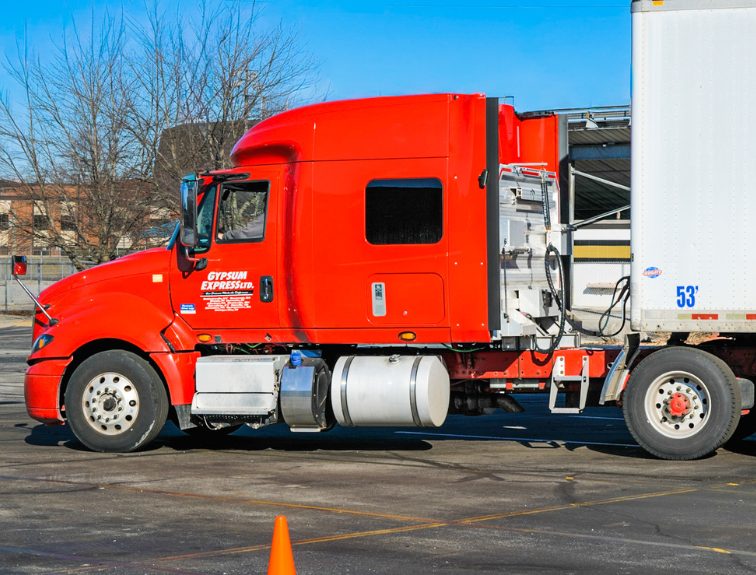
Your behind-the-wheel training starts in a controlled yard environment where you can learn safely. Class A CDL students practice backing maneuvers and developing vehicle proficiency. You’ll master straight-line backing, offset backing, parallel parking, and alley docking.
Yard training also covers coupling and uncoupling trailers, conducting pre-trip inspections on actual vehicles, and basic controls like shifting and steering. This hands-on practice lets you understand how a commercial vehicle responds before you take it on public roads.
Road Driving and Test Readiness
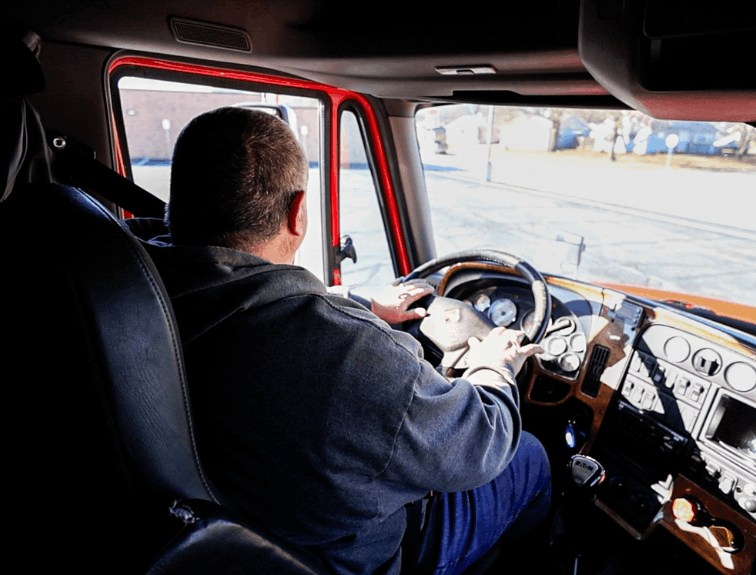
Road and range training is required for Class A programs. You’ll spend at least 18 hours driving on actual streets, practicing in real traffic conditions. This phase includes highway driving, city navigation, and handling different traffic patterns.
Your CDL skills test has three parts: a vehicle pre-trip inspection showing you can identify safety issues, a basic controls test proving you can handle various maneuvers, and a road test demonstrating safe operation in traffic. Each phase of your training prepares you for these specific test requirements.
Finding the Right Training Schedule for Your Life
Your training schedule matters more than anything else when it comes to completing your CDL program. At DriveCo, we understand that everyone’s situation is different, which is why our school offers flexible options that work around your current commitments.
Full-Time Training Programs
Full-time CDL training gets you on the road fastest, typically finishing in as little as 4 weeks. Classes run Monday through Friday, usually from 8:00 AM to 4:30 PM. Most programs with 160-plus hours of instruction allow full-time students to complete everything in about a month.
This intensive approach works well if you can dedicate four straight weeks to your training. Students who choose full-time programs often finish faster than those trying to balance other obligations.
Weekend Training Options
Weekend programs spread the same material across roughly 10 weeks by meeting on Saturdays and Sundays. Most weekend classes run from 7:00 AM to 3:30 PM.
Weekend schedules attract career changers who still work during the week, parents who can arrange childcare more easily on weekends, and experienced drivers returning to the field. Weekend CDL classes cover the exact same curriculum as weekday programs – only the timing is different.
Evening Classes for Working Adults
Evening programs meet on weeknights, typically Monday through Thursday from 5:00 PM to 9:00 PM. This format takes about 10 weeks to finish.
Evening classes work well for people who need to keep their current job while training. As long as you maintain consistent attendance, evening programs provide the same certification as faster options.
Conclusion
Getting your CDL takes less time than you might expect. Most full-time students finish in four weeks, while part-time and weekend programs take six to sixteen weeks. The exact timeline depends on your schedule and chosen training format.
Choose a program that fits your current work situation and financial needs. Once you complete the required 160 hours of instruction, you’ll be ready to start your new trucking career.